

What would you do if someone in a position of power asked you to do something that felt incorrect? Many of us like to believe we would voice our concerns, resist, and hold our ground. However, research presents a very different reality.
For instance, when Yale researchers carried out a well-known experiment in the 1960s, they discovered that 65% of participants would deliver what they thought were fatal electric shocks to another person—simply because an individual in a lab coat instructed them to do so.
Today’s guest has dedicated over 15 years to examining why individuals obey authority, even when every instinct tells them not to. This inclination to follow authority figures—including financial advisors, real estate agents, and car salespeople—can have serious financial repercussions.
Dr. Sunita Sah started her professional journey as a doctor in the UK’s National Health Service. During a particularly challenging time as a junior doctor, she agreed to meet with a financial advisor who reached out to her at work. This encounter raised questions that would influence her career: Why did she feel compelled to trust this advisor, despite realizing he had a conflicting interest?
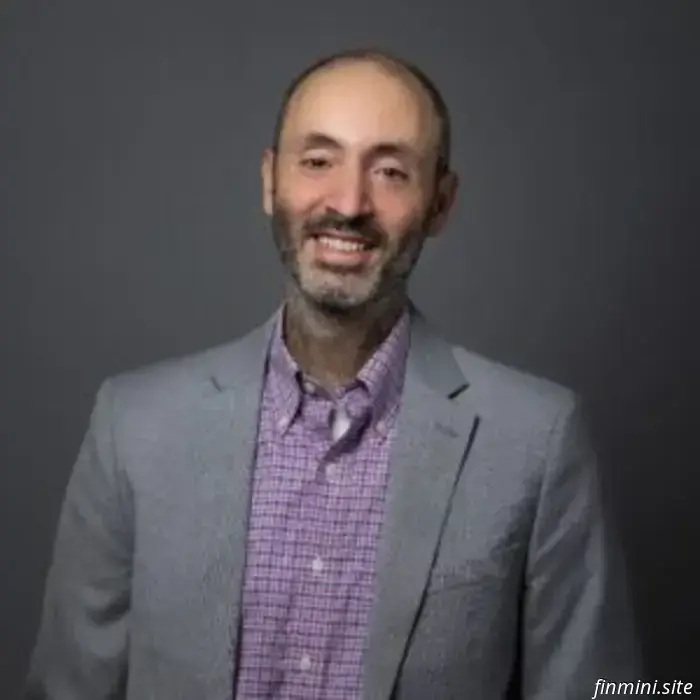
Currently, she serves as a tenured professor at Cornell University, where her innovative research on compliance and influence has been highlighted in The New York Times and Scientific American. Dr. Sah has advised government bodies, participated on the National Commission on Forensic Science, and aids leaders in grasping the psychology behind why we agree when we wish to disagree.
Whether you're consulting a financial advisor, negotiating a home purchase, or discussing costs with a contractor, understanding the psychology of compliance could save you a significant amount of money and aid you in making wiser financial choices. Today's discussion is not only about psychology but also about safeguarding your finances by learning when and how to decline.
About Dr. Sunita Sah
Dr. Sunita Sah is a tenured professor at Cornell University, focusing on organizational psychology. Her research examines how and why individuals comply with authority, even when it contradicts their better judgment. Having previously worked as a physician in the UK's National Health Service, Dr. Sah offers a distinct viewpoint on human behavior and decision-making. Her research has been featured in major publications such as The New York Times and Scientific American, and she has held a position as a Commissioner on the National Commission on Forensic Science.
Timestamps:
Note: Timestamps may differ on each listener's device due to variable advertising durations. The approximate timestamps may vary by several minutes owing to differing ad lengths.
0:00 Intro
4:00 The majority follow authority despite their own judgment
7:01 Dr. Sah's encounter with a pushy financial advisor while a young doctor
9:55 The drawbacks of conflict-of-interest disclosures
12:16 “Insinuation anxiety” leads us to yield under pressure
14:13 The “sales pitch effect” generates unwanted obligation
17:29 Growing up as a South Asian daughter conditioned to comply
20:34 Career choices: pursuing passion versus fulfilling family expectations
27:29 The Milgram experiments highlight our obedience tendency
35:28 Utilizing “quiet defiance” to withstand pressure
42:20 Why managers often misinterpret employee silence
46:43 Five aspects that differentiate consent from compliance
53:03 Cultivating defiance through small daily actions
58:13 The significance of pausing in decision-making
1:02:54 Five stages to identify and act on resistance
1:18:22 How to develop your own defiance style
Resources Mentioned in the Episode:
– Website: Dr. Sunita Sah
– Newsletter: Defiant By Design | Dr. Sunita Sah | Substack
– Connect with Dr. Sah on LinkedIn: Dr. Sunita Sah
– Follow Dr. Sah on Instagram: Dr. Sunita Sah ✍🏽 Author of DEFY (@drsunitasah)
Thanks to our sponsors!
Shopify
Expand your business by selling both physical and digital goods through Shopify’s all-in-one platform. Visit shopify.com/paula for a one-dollar-per-month trial and gain full access to Shopify’s comprehensive features.
Policygenius
Visit policygenius.com for free quotes and comparisons from numerous insurers. With Policygenius, you can discover life insurance options starting as low as $292 per year for $1 million in coverage.
NetSuite
NetSuite is the leading cloud financial system, integrating accounting, financial management, inventory, and HR into a single platform and a unified source of truth. Navigate to NetSuite.com/PAULA to download the CFO’s Guide to AI and Machine Learning.
All'età di 7 anni il dottor Jordan Grumet ha perso il padre. Questa perdita precoce ha plasmato il suo percorso professionale: è diventato medico, seguendo le orme del padre. Ma nel 2010, sentendosi esaurito dalla medicina interna, ha preso una svolta inaspettata: è diventato medico di hospice.

Kelsey è entusiasta di investire lungo la frontiera efficiente, ma sembra impossibile con la mancanza di opzioni di fondi nel fondo pensione sponsorizzato dal suo datore di lavoro. Qual è il modo migliore per affrontare questo problema?

I più grandi investitori del mondo hanno un segreto: sono strani.

Prendete la vostra copia gratuita della guida di 52 settimane ai micro-miglioramenti al sito 2025 One Tweak a Week.

La paura blocca le mosse intelligenti del denaro. Chiedetelo alla dottoressa Margie Warrell, consulente della Harvard Business Review, che guida le aziende Fortune 500 nell'assunzione di rischi strategici. Tra i suoi clienti figurano la NASA, Morgan Stanley e Google.
.png)
Il reddito di Apar è più che raddoppiato dopo l'avvio della sua attività. Il suo consulente gli consiglia i contributi Roth, ma lui è scettico a causa del suo reddito elevato. Chi ha ragione?
What would you do if an authority figure instructed you to do something that seemed incorrect? Many of us prefer to believe that we would voice our concerns, resist, and maintain our position. However, research indicates a contrasting reality.